
In recent years, the global economic landscape has been undergoing a transformation that is both striking and concerning. While the wealth gap between the richest and poorest individuals is widening, the number of billionaires continues to climb at a remarkable pace. According to the latest findings from the Hurun Global Rich List, the concentration of billionaires in certain countries offers an illuminating snapshot of modern economic power dynamics.
The data reveals a paradox in the global financial system. On one side, there is a growing population of ultra-wealthy individuals who accumulate extraordinary levels of capital. On the other side, middle-class households are shrinking, and lower-income groups are expanding. This dual trend reflects a broader systemic challenge that impacts everything from global markets to political stability and social cohesion.
A Growing Divide in Global Wealth
Wealth inequality is not a new phenomenon, but its acceleration in the 21st century is unprecedented. Experts attribute this widening gap to factors such as globalization, technological advancements, tax policies that favor capital over labor, and the ability of the wealthy to diversify their income sources internationally. In many countries, the ultra-rich benefit from sophisticated financial strategies, offshore investments, and lower tax burdens, which allow their wealth to grow faster than the broader economy.
This imbalance is creating an increasingly polarized society, where opportunities for upward mobility are limited for the majority. Economists warn that when the middle class contracts, the stability of consumer-driven economies is put at risk. Middle-income families historically form the backbone of economic growth through spending, investment in education, and home ownership. Without their resilience, the gap between those at the top and the rest of society will likely expand even further.
Countries Leading the Billionaire Count
The Hurun Global Rich List offers a detailed breakdown of where the world’s billionaires are located. The United States remains the global leader, home to an astonishing 870 billionaires. These individuals dominate industries from technology and finance to entertainment and energy. The presence of global tech giants such as Apple, Microsoft, Amazon, and Tesla plays a significant role in sustaining America’s position at the top.
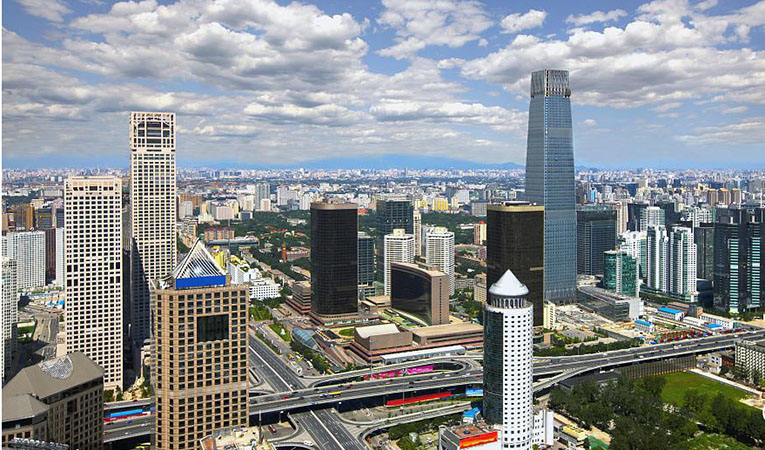
Close behind is China, boasting 823 billionaires. Despite facing regulatory crackdowns on its technology sector and challenges in the real estate market, China continues to produce new billionaires at a steady pace. The country’s rapid economic growth over the past decades and its evolving consumer market have been critical factors.
India secures the third position with 284 billionaires, reflecting its growing influence in technology, pharmaceuticals, and renewable energy. The rise of Indian billionaires showcases the country’s expanding middle and upper classes, as well as the role of ambitious entrepreneurship in global markets.
Following India, the United Kingdom counts 150 billionaires, driven by its finance sector, real estate market, and luxury brands. Germany, with 141 billionaires, continues to be a manufacturing powerhouse, particularly in automotive engineering and industrial equipment. Switzerland’s 116 billionaires largely benefit from its banking sector, pharmaceuticals, and luxury watchmaking tradition.
Other nations making the top list include Russia (89), France (72), Italy (69), and Brazil, each with their own economic strengths ranging from energy exports to tourism and fashion.

Türkiye’s Place in the Global Wealth Hierarchy
Türkiye holds the 19th position on the Hurun Global Rich List, with 31 billionaires. This is a significant standing given the country’s unique economic challenges and opportunities. Türkiye’s billionaires often have diversified portfolios that include construction, energy, textiles, retail, and banking. The nation’s geographical position as a bridge between Europe and Asia offers strategic advantages for international trade, logistics, and tourism.
In recent years, Türkiye’s business environment has faced currency fluctuations, inflationary pressures, and shifts in international trade policy. Yet, its billionaire class has demonstrated resilience by adapting to changing market conditions and expanding into new sectors. The presence of Türkiye’s ultra-wealthy in global rankings also reflects the country’s capacity to produce high-value enterprises that can compete on an international stage.
Economic Implications of Rising Billionaire Numbers
The increase in the billionaire population is not inherently negative, as these individuals often play a crucial role in driving innovation, creating jobs, and investing in infrastructure. However, when wealth accumulation outpaces the growth of the wider economy, it can deepen inequality and reduce economic fairness.
Studies show that nations with extreme wealth concentration tend to experience slower social mobility. This means that children born into lower-income households have fewer chances of moving up the economic ladder, regardless of talent or ambition. Over time, this can lead to entrenched socio-economic divides that are difficult to reverse.
In addition, excessive wealth concentration can distort political processes. Wealthy individuals and corporations may wield disproportionate influence over policy-making, sometimes prioritizing private gains over public interest. This can lead to regulatory environments that further favor the already affluent, creating a cycle that reinforces inequality.
Global Reactions and Policy Responses
Around the world, governments and institutions are exploring ways to address the challenges posed by the growing billionaire class. Some countries have implemented progressive tax systems that place higher rates on capital gains and large inheritances. Others are focusing on wealth redistribution through public investment in education, healthcare, and housing.
For instance, several European nations have debated implementing wealth taxes aimed at narrowing the gap between the ultra-rich and the rest of the population. In contrast, some economic experts caution against overly punitive measures, warning that high taxation might drive capital flight and discourage investment. The debate underscores the complexity of balancing wealth creation with equitable distribution.
The Future of Global Wealth Distribution
Looking ahead, the trajectory of billionaire growth will likely depend on a combination of technological innovation, market dynamics, and government policy. As emerging markets continue to develop, new billionaires will emerge from sectors such as renewable energy, biotechnology, and artificial intelligence. At the same time, societal pressure for fairer economic systems is likely to intensify.
For Türkiye, the challenge will be to leverage its entrepreneurial spirit, strategic location, and growing consumer market to foster inclusive economic growth. Encouraging innovation, supporting small and medium-sized enterprises, and ensuring access to quality education will be essential to prevent further widening of the wealth gap.
While the Hurun Global Rich List offers a snapshot of current wealth distribution, it also serves as a reminder that economic prosperity must be measured not only by the fortunes of the few but also by the wellbeing of the many. Balancing these forces will be one of the defining economic challenges of our era.