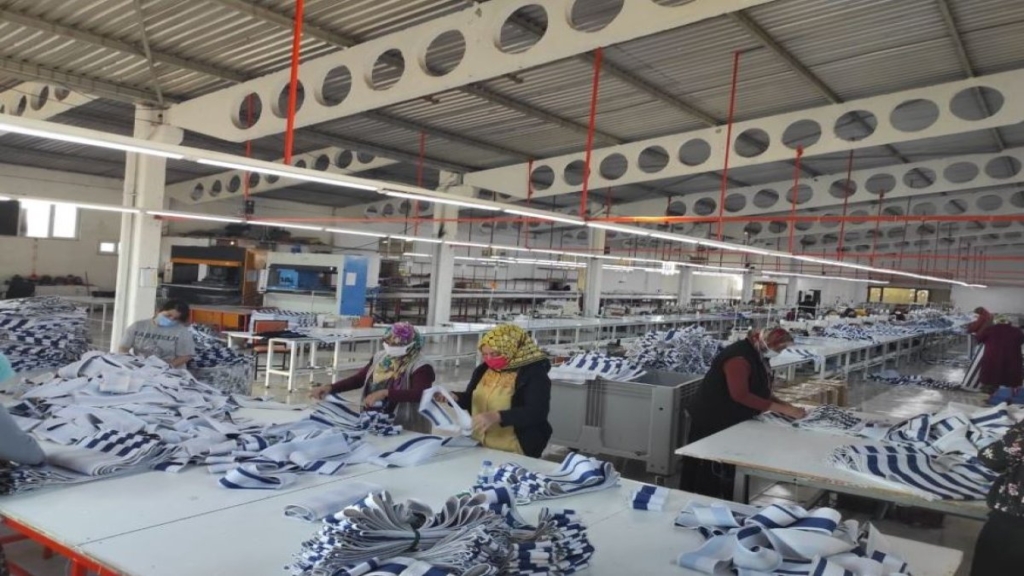

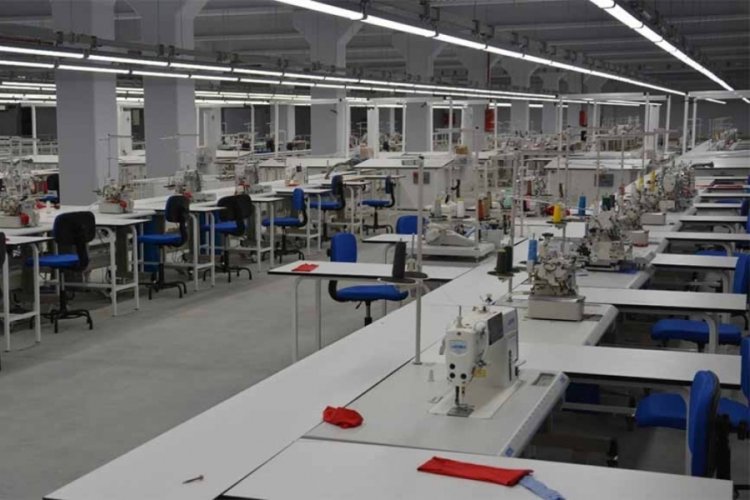
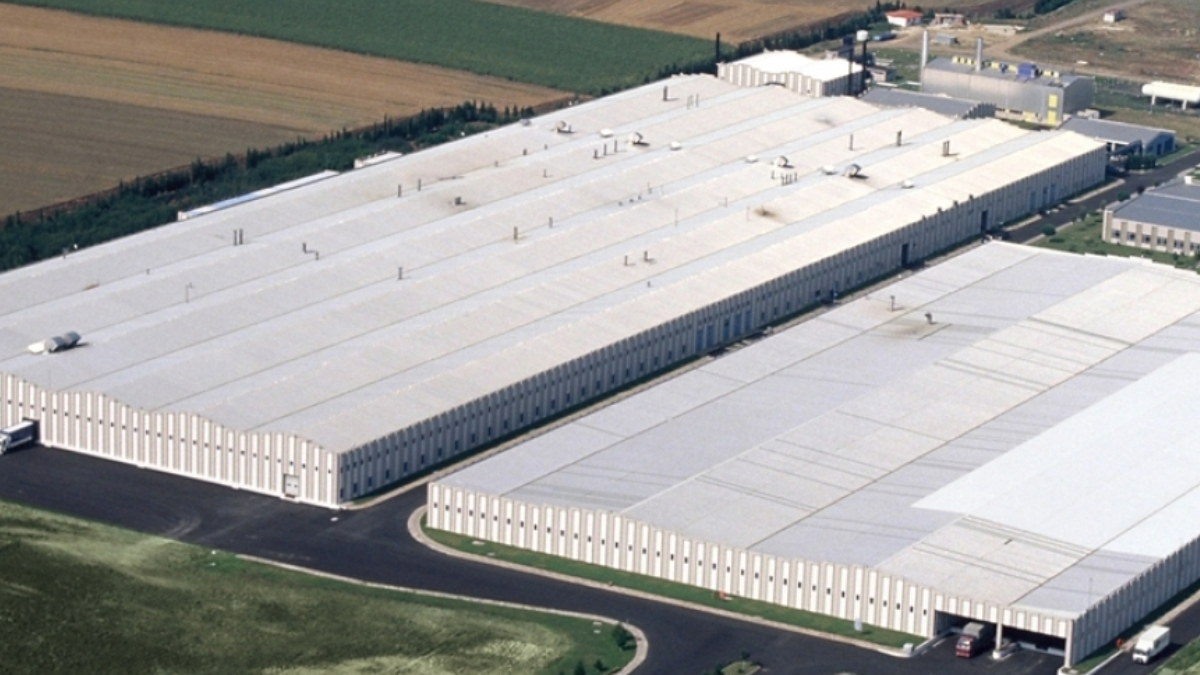
İzmir-based Altınyer Tekstil ve Orman Ürünleri Sanayi Ticaret A.Ş., a well-known manufacturer of outdoor and camping equipment, has filed for concordat protection as it struggles with the effects of Türkiye’s ongoing economic crisis. Founded in 1999, the company specialized in producing hammocks, camp chairs, and swings in its 2,500-square-meter modern facility, exporting its products to international markets.
Despite its global reach and adherence to international production standards, rising costs and economic uncertainty have pushed the firm to the brink of collapse. Operating with 70 employees, the company was granted a three-month temporary concordat period by the İzmir 1st Commercial Court of First Instance on August 15, 2025. The decision also extends to company owner Gökhan Yer.
The first hearing of the case is scheduled for November 6, 2025, at the İzmir Regional Court of Appeals. Interested parties have seven days to submit objections to the ruling.
A Wider Trend of Financial Distress in Türkiye
Altınyer Tekstil’s difficulties are not isolated. The year 2025 has already set a record in Türkiye for concordat filings. In just the first seven and a half months, 994 companies requested legal protection from creditors, surpassing last year’s total by 73 percent.
When temporary suspensions and pending filings are included, the total number of applications climbs to 1,565 across different industries. The construction sector leads with 268 filings, followed by manufacturing with 214, and wholesale and retail trade with 145. Applications are also rising in sectors such as transportation, hospitality, energy, and agriculture, reflecting widespread financial strain.
This wave of filings illustrates the mounting pressure businesses face due to high inflation, currency volatility, and declining consumer demand. Experts point out that rising raw material costs and fluctuations in exchange rates are among the most significant challenges weighing on firms like Altınyer.
The Case of Altınyer Tekstil
The company had ambitions to grow its footprint in export markets by leveraging Türkiye’s strategic manufacturing advantages. However, the global slowdown, combined with local financial challenges, disrupted its plans.
Industry analysts warn that Altınyer’s situation mirrors that of many small and medium-sized enterprises (SMEs) in Türkiye, which are heavily reliant on exports but increasingly vulnerable to global price shocks and domestic economic instability.
By seeking concordat protection, Altınyer hopes to restructure its debts and stabilize operations. If successful, this could allow the company to continue production while preserving jobs and sustaining its export potential. The outcome of the November hearing will determine whether the firm can move forward with restructuring or face harsher financial consequences.
Experts Warn of Structural Challenges
Financial specialists emphasize that concordat filings have become a lifeline for many companies under strain but also signal deeper structural weaknesses in the economy. While some firms may recover through restructuring, others may not survive without substantial reforms in cost management, supply chain resilience, and access to affordable financing.
The textile industry in particular faces unique challenges. Rising global cotton prices, increased shipping costs, and weakened foreign demand have placed immense pressure on producers. At the same time, domestic inflation has raised wages and utilities, squeezing margins further.
For companies like Altınyer Tekstil, whose competitive edge relied on affordable production and exports, these pressures have proven especially damaging.
What Comes Next?
The upcoming November hearing will be critical not only for Altınyer but also for other textile and manufacturing firms watching closely. A successful restructuring could provide a model for others in similar situations, while a collapse would serve as a cautionary tale of how quickly market conditions can erase decades of business growth.
Regardless of the outcome, Altınyer Tekstil’s case reflects a larger story: Türkiye’s industries are at a crossroads, navigating rising costs, uncertain demand, and global market disruptions. Unless economic stability improves, experts believe the number of concordat filings could climb even higher by the end of the year.