
The liquefied petroleum gas (LPG) sector in Türkiye experienced notable changes in May, according to the latest “LPG Market Sector Report” published by the Energy Market Regulatory Authority (EPDK). The data revealed a dual trend of declining imports and surging exports, signaling a significant transformation in Türkiye’s energy trade and consumption landscape.
This shift not only reflects Türkiye’s evolving domestic production capabilities but also highlights its strategic role in regional energy supply routes. As the global energy market faces increasing volatility, Türkiye’s LPG sector emerges as a dynamic player responding to both internal and external market pressures.
LPG Imports Fall Despite Seasonal Demand
In May, Türkiye imported 280,981 tons of LPG, marking a 14 percent decrease compared to the same month in the previous year. This drop comes amid the global energy sector’s ongoing recalibration, where sourcing strategies and geopolitical influences play critical roles.
Major exporters to Türkiye included Algeria, Russia, the United States, Georgia, and Italy. These countries have traditionally formed Türkiye’s primary LPG supply chain, but the latest data may hint at a potential diversification or reduction in reliance due to either domestic production increases or shifting trade agreements.
While demand typically rises during the warmer months for industrial and transportation uses, the lower import numbers may be partially explained by enhanced local production and improved efficiency in distribution networks.
Export Volumes Nearly Double
On the other hand, Türkiye’s LPG exports experienced a dramatic surge. According to EPDK’s report, LPG exports jumped by 90.8 percent in May, reaching 54,535 tons. This growth represents Türkiye’s increasing capacity not just for self-sufficiency but also for regional energy contribution.
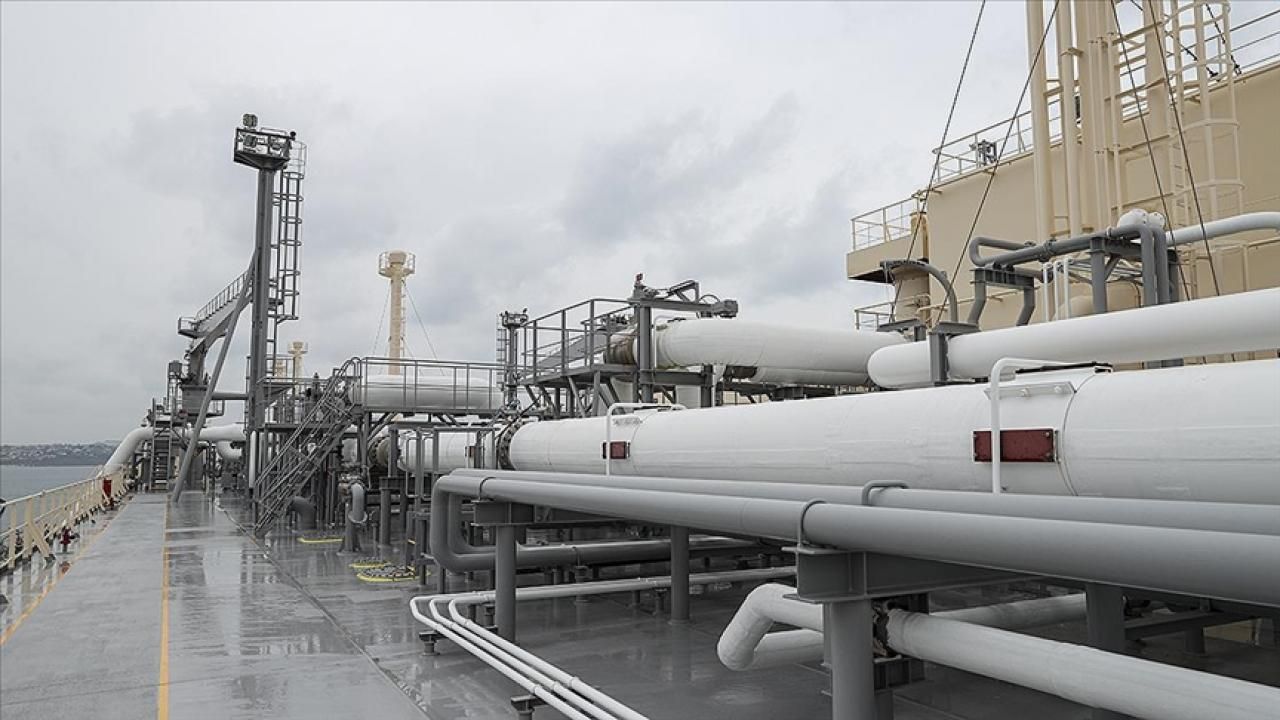
LPG was exported to 11 countries and territories including the United Arab Emirates, Lebanon, Bulgaria, Switzerland, Ukraine, Northern Cyprus (KKTC), Singapore, Romania, Greece, Türkiye Free Zones, and Liberia. This diversified export portfolio demonstrates Türkiye’s growing reputation as a reliable LPG supplier.
The expansion of Türkiye’s LPG export footprint indicates a broader strategy to become a more integral part of the international energy supply chain. It also highlights the competitive advantage of Türkiye’s logistics infrastructure, including its ports and storage capacity.
Domestic Production Sees Substantial Growth
Adding to the positive news for the local energy sector, Türkiye’s domestic LPG production rose significantly. During the same period, production increased by 29.1 percent, totaling 84,742 tons.
This growth is largely attributed to improved refinery operations and increased investment in energy infrastructure. Several domestic refiners have upgraded their facilities in recent years to enhance capacity and meet both domestic demand and export potential.
Türkiye’s ability to increase its local LPG output not only reduces dependency on foreign suppliers but also supports the country’s broader energy independence goals. The production increase also positions Türkiye to react more flexibly to international market fluctuations and supply chain disruptions.
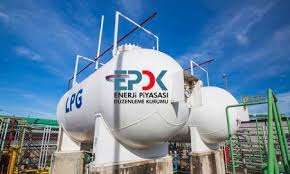
Domestic LPG Sales Remain Steady with Autogas Leading the Market
In terms of local consumption, LPG sales reached approximately 332,270 tons in May, nearly mirroring figures from the same month last year. However, a breakdown of the sales composition reveals interesting trends.
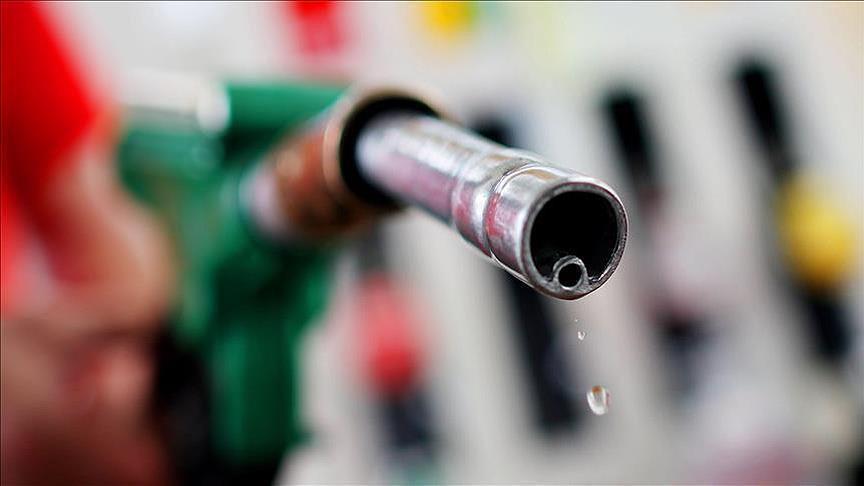
Autogas maintained its dominant position in the domestic LPG market, accounting for 83.2 percent of all LPG sales. It was followed by bottled LPG at 13.8 percent and bulk LPG at 3.1 percent.
The preference for autogas in Türkiye remains one of the highest globally. The affordability, infrastructure readiness, and environmental benefits of LPG-powered vehicles continue to drive demand in this segment. Many Turkish drivers prefer autogas due to its cost-effectiveness compared to traditional gasoline or diesel.
Despite global interest in electric vehicles, autogas remains a widely used and practical solution in Türkiye’s urban and rural areas. Public transportation, taxis, and commercial fleets rely heavily on LPG as a primary fuel source.
Strategic Implications for Türkiye’s Energy Sector
The data from EPDK’s May report has several strategic implications for Türkiye’s energy and economic outlook.
First, the substantial drop in imports combined with rising exports and production reflects Türkiye’s strengthening position as both a consumer and producer in the LPG market. This dual role enhances Türkiye’s leverage in regional energy negotiations and trade agreements.
Second, increased exports and local production signal potential for economic gains. Exporting LPG not only brings foreign currency into the economy but also promotes Türkiye as a trusted energy partner in global markets.
Third, the consistent popularity of autogas may encourage further government support for this fuel type. Incentives, infrastructure expansion, and technological innovations could maintain autogas’s status as a sustainable bridge fuel as Türkiye transitions toward a greener energy mix.
Lastly, this report underscores the importance of continued investment in refining and logistics infrastructure. Efficient storage, handling, and transportation systems are crucial to maintaining competitive pricing and supply stability in both domestic and export markets.
Environmental Considerations and the Role of LPG in Sustainability
While fossil fuels face increasing scrutiny due to environmental concerns, LPG is often regarded as a cleaner alternative compared to coal and heavy oils. Its widespread use in Türkiye, particularly in the transportation sector, provides an opportunity to reduce urban air pollution and greenhouse gas emissions.
Moreover, Türkiye’s efforts to boost domestic LPG production can be aligned with environmental goals if cleaner refining technologies and carbon-offset initiatives are implemented.
The surge in exports also allows Türkiye to support neighboring countries in accessing cleaner fuel options, potentially reducing the regional carbon footprint.
Conclusion Without the Label
Türkiye’s LPG market in May showcases a complex but encouraging narrative. Decreased imports, soaring exports, and increased domestic production indicate a more self-reliant, competitive, and globally integrated energy economy. Autogas continues to lead domestic consumption, reinforcing Türkiye’s role as a leader in LPG adoption.
As Türkiye continues to balance its energy needs with sustainability goals, the LPG sector appears well-positioned to serve as both a domestic cornerstone and an international asset.