
Türkiye’s financial system is facing a critical juncture as new data from the Risk Center of the Banks Association of Türkiye (TBB) reveals unprecedented levels of indebtedness across both individuals and businesses. The June report paints a concerning picture: total outstanding personal and commercial loans have surged to 20 trillion 251 billion 675 million 273 thousand lira, setting an all-time high.
This sharp escalation underscores a growing debt crisis, particularly in the realm of personal loans and credit card debt. The figures highlight not only an increase in borrowing but also a troubling rise in defaults and delinquent accounts—trends that carry significant implications for the nation’s economic stability.
A Sharp Rise in Non-Performing Loans
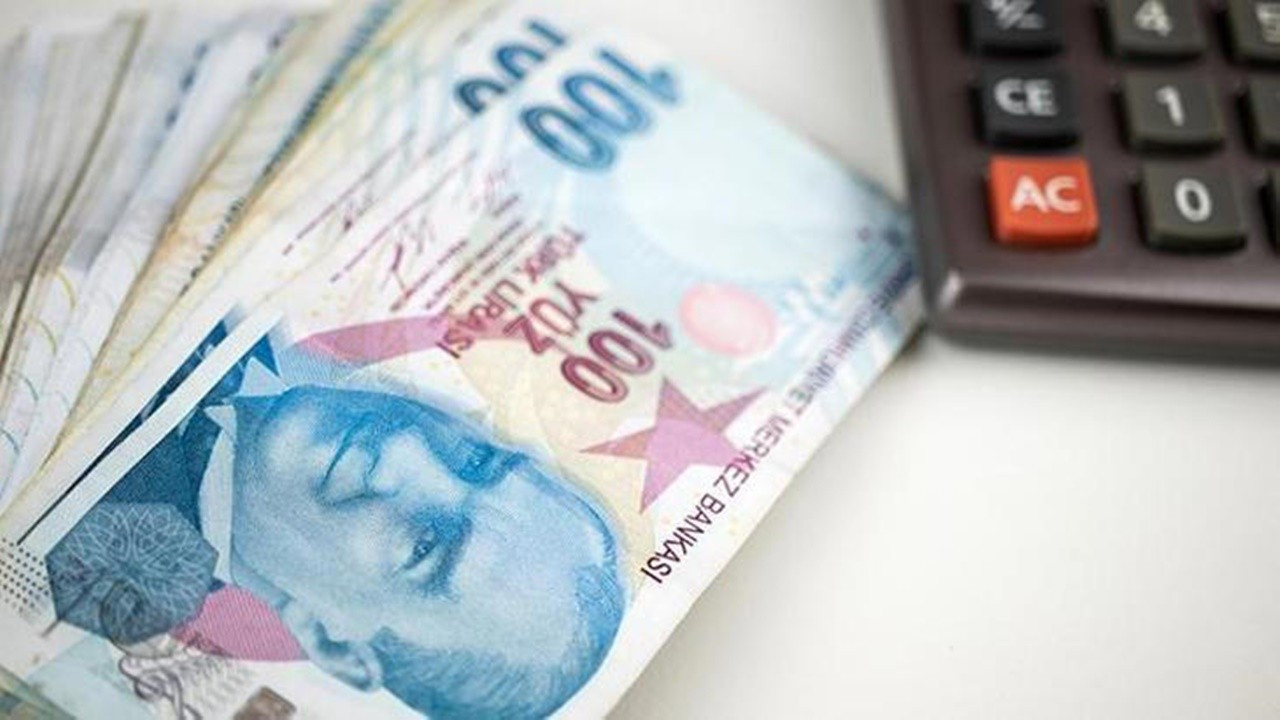
The most alarming statistic from the June data is the explosive growth in non-performing loans. Over the past year, delinquent receivables have skyrocketed by 176 percent, reaching 212 billion lira. This signals that more borrowers are struggling to meet repayment obligations amid rising living costs, inflationary pressures, and high interest rates.
The number of individuals falling into legal proceedings due to unpaid debts has also climbed sharply—up 35 percent compared to the same month last year. In just June alone, 258,598 people joined the ranks of those unable to service their personal debts.
For the first half of 2024, the number of people subjected to legal follow-up due to unpaid personal loans or credit card bills reached a staggering 1,201,388. Within this figure, 737,896 individuals defaulted on personal loans (a 38 percent year-on-year increase), while 883,392 defaulted on credit card debts (a 37 percent rise).
Sector-by-Sector Breakdown of Rising Debt
The debt surge is not confined to households—it extends across multiple key sectors of the economy, from agriculture to construction and textiles.
In the agriculture sector, outstanding loan balances rose from 1 trillion 46 billion 498 million 667 thousand lira in May to 1 trillion 65 billion 447 million 91 thousand lira in June, marking a 1.81 percent increase in just one month. Non-performing agricultural loans climbed to 6 billion 713 million 804 thousand lira, raising concerns over the sustainability of rural financing.
In the construction sector, commercial loans increased from 1 trillion 290 billion lira in May to 1 trillion 327 billion lira in June. Non-performing receivables in the sector also edged up from 63 billion 788 million lira to 64 billion 775 million lira—figures that suggest persistent payment difficulties despite steady project activity.

The textile industry, a key export-oriented sector, saw its loan burden jump from 657 billion 337 million 711 thousand lira in May to 674 billion 967 million 640 thousand lira in June—a 2.68 percent rise. Non-performing loans in this sector stood at 17 billion 679 million 504 thousand lira, indicating pressures on production and export financing.
Weekly Banking Data Confirms Debt Growth
Complementing the TBB data, figures from the Banking Regulation and Supervision Agency (BDDK) for the week ending August 1 reinforce the narrative of rising indebtedness.
Consumer loans increased by 22 billion 56 million lira in just one week, reaching 2 trillion 438 billion 355 million lira. Banks’ receivables from personal credit cards surged by 4.2 percent to 2 trillion 385 billion 40 million lira.
Perhaps most concerning is the weekly jump in non-performing receivables, which rose by 12 billion 48 million lira to 454 billion 578 million lira. Of this amount, 323 billion 26 million lira is covered by special provisions, indicating that banks are already setting aside substantial reserves to offset potential losses.
The Broader Economic Context
This wave of rising debt comes against a backdrop of inflationary pressures, a weakening currency, and elevated borrowing costs. High interest rates, implemented as part of monetary tightening measures, have increased repayment burdens for borrowers. At the same time, stagnant wage growth and elevated consumer prices have squeezed household budgets, leading more individuals to rely on credit for everyday expenses.
For businesses, especially small and medium-sized enterprises (SMEs), tightening liquidity and high input costs have increased dependence on bank financing. Sectors that operate on narrow profit margins, such as agriculture and textiles, are particularly vulnerable to debt servicing difficulties.
Risks to Financial Stability
Economists warn that if this trend continues unchecked, it could erode financial stability. A significant rise in defaults can strain banks’ balance sheets, limit credit availability, and dampen economic activity. In extreme scenarios, a surge in non-performing loans could trigger a credit crunch, stalling investments and consumer spending.
Additionally, rising household debt levels can have long-term social and economic consequences. When families allocate larger portions of their income to debt repayment, they have less to spend on goods, services, and education—potentially slowing economic growth and deepening inequality.
Policy Considerations and Possible Solutions
Addressing Türkiye’s mounting debt challenge will require a multi-pronged approach. Financial regulators may consider measures to curb unsustainable lending practices, such as stricter credit assessments and limits on high-interest borrowing products.
Consumer protection initiatives, including financial literacy programs, could help borrowers better manage their finances and avoid falling into debt traps. At the same time, targeted support for sectors facing structural challenges—such as agriculture and textiles—could ease repayment pressures and safeguard employment.
On a macroeconomic level, sustained efforts to control inflation, stabilize the currency, and stimulate real income growth will be essential to reducing dependency on credit.
A Critical Moment for Türkiye’s Economy
The latest TBB and BDDK data make it clear that Türkiye is at a pivotal point in its financial journey. Rising indebtedness across all sectors, coupled with accelerating default rates, signals the need for proactive policy interventions.
If managed wisely, the current situation could be an opportunity to strengthen the financial system through reforms, responsible lending, and improved risk management. Left unaddressed, however, the debt burden threatens to undermine economic resilience, business confidence, and household welfare—making the next steps crucial for the country’s financial future.
Türkiye now faces the challenge of balancing the immediate need for economic growth with the long-term imperative of financial sustainability. How policymakers respond in the coming months will determine whether this record-high debt burden becomes a temporary hurdle or a lasting obstacle to the nation’s prosperity.