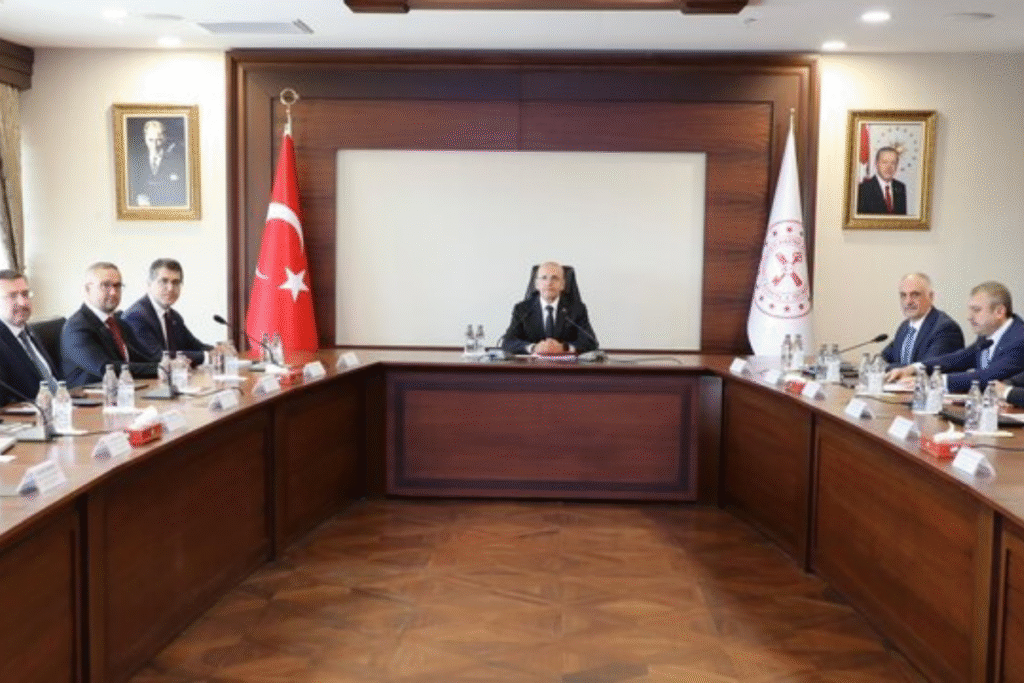

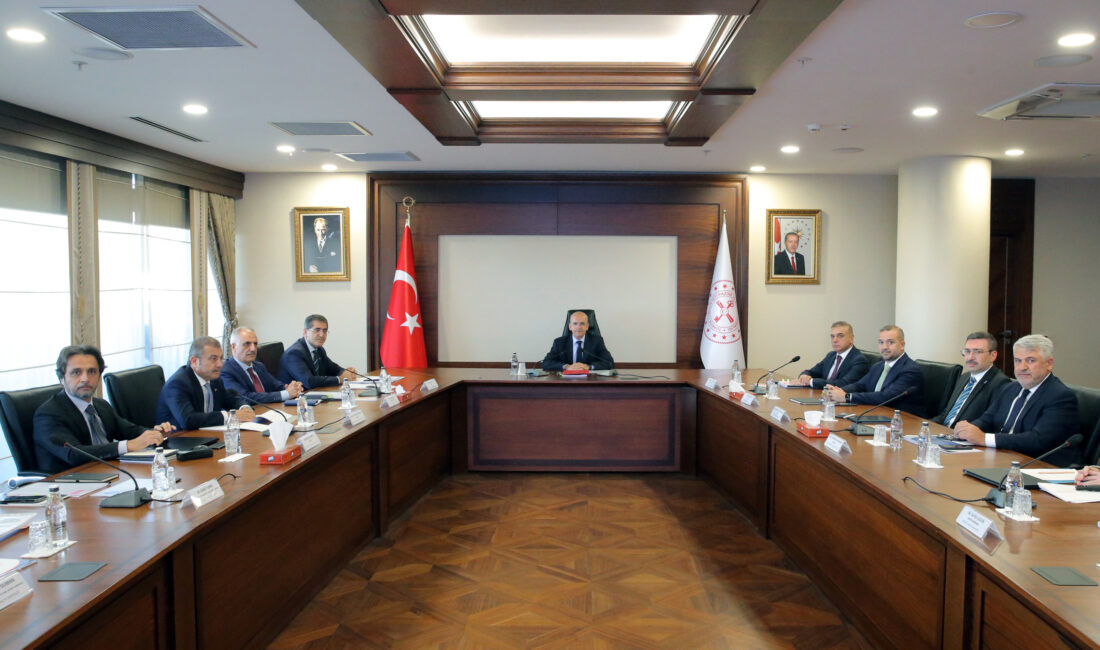
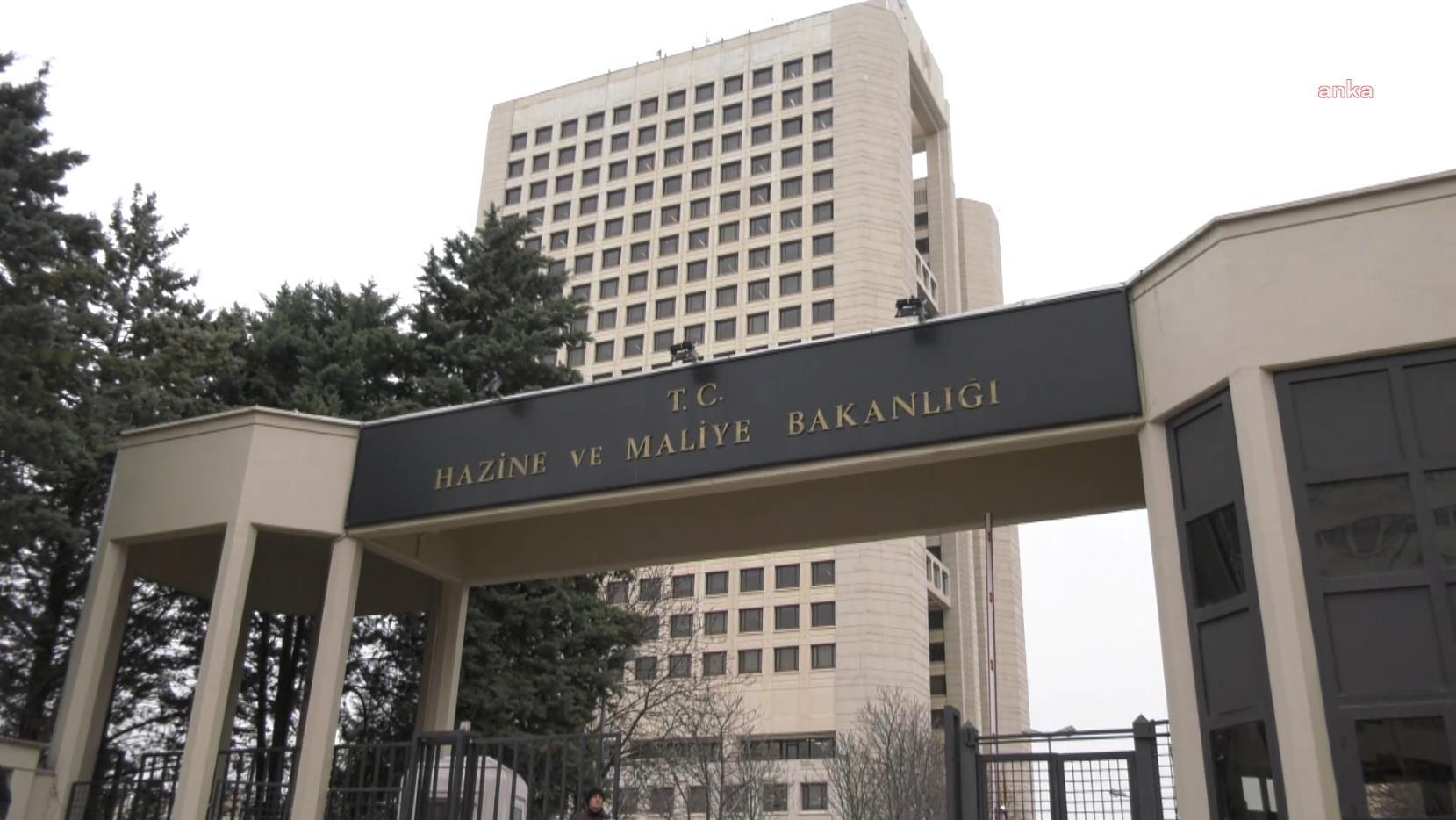
In a recent statement from the Ministry of Treasury and Finance, the Turkish government reaffirmed its commitment to preserving financial stability as a core pillar of sustainable economic growth. The statement was issued following the latest meeting of the Financial Stability Committee, chaired by Minister Mehmet Şimşek.
Held amid complex global and domestic economic developments, the meeting focused on Türkiye’s macroeconomic outlook, credit policies, and structural tools aimed at ensuring resilience within both the real and financial sectors.
Comprehensive Review of Economic and Sectoral Dynamics
The Committee began by analyzing the current global economic landscape alongside Türkiye’s evolving macroeconomic environment. Recent shifts in inflation, interest rates, global trade flows, and investor sentiment were key topics of discussion, particularly in the context of their impact on Türkiye’s real economy and financial system.
Minister Şimşek and committee members also delved into recent trends in the real sector — from industrial output and employment patterns to consumer demand and corporate financial health. The aim was to assess how these developments influence the financial sector, especially in terms of credit risk, liquidity needs, and long-term lending strategies.
Focus on Credit Growth Controls and Lending Practices
A significant portion of the meeting was dedicated to reviewing the ongoing effects of Türkiye’s credit growth limitations. In recent quarters, the government has imposed macroprudential measures to prevent overheating in credit markets and maintain monetary discipline. These policies, which include tighter lending standards and selective credit incentives, were evaluated in terms of both their economic impact and operational implementation.
Committee members explored potential adjustments to these measures, weighing how further steps could support stable growth without undermining access to finance for productive sectors. This balance is particularly important as Türkiye seeks to maintain its disinflation program while encouraging private sector expansion.
Evaluating the Future of Currency-Protected Deposit Schemes
Another critical topic on the agenda was the assessment of the “kur korumalı mevduat” (KKM) — Türkiye’s widely discussed currency-protected deposit and participation accounts. Initially introduced to stabilize the lira and reduce dollarization during periods of currency volatility, these instruments have played a pivotal role in safeguarding domestic savings.
The Committee reviewed the current state of these accounts, including their size, maturity structure, and fiscal implications. Several future scenarios were modeled, evaluating the potential risks and benefits of gradually phasing out or transforming the KKM scheme into a more sustainable format aligned with long-term monetary policy goals.
A Unified Approach to Financial Stability
The Ministry’s statement underscored that Türkiye is committed to a holistic and integrated approach in safeguarding financial stability. This includes coordination across monetary, fiscal, and regulatory institutions to ensure consistency in policy direction and effectiveness.
“Financial stability remains one of the most critical components of balanced and sustainable growth,” the statement noted. “The Committee will continue its efforts with a comprehensive perspective.”
Analysts interpret this as a signal that Türkiye will maintain its current path of structural economic reforms and cautious monetary alignment, despite pressures from both internal and external economic variables.
Positioning Türkiye for Resilient and Sustainable Growth
With inflation gradually declining and external balances improving, Türkiye appears to be entering a more stable economic phase. However, structural vulnerabilities such as high external debt exposure, exchange rate sensitivity, and fiscal discipline remain closely monitored by policymakers.
By focusing on lending practices, deposit protection tools, and cross-sector stability, the Financial Stability Committee aims to anchor investor confidence and lay the groundwork for long-term macroeconomic resilience.
As Minister Şimşek has emphasized in previous statements, restoring trust in the financial system is essential not just for short-term recovery but for building a future-ready economy that can withstand global shocks and capitalize on regional opportunities.